Written by the FleetEasy Team
Serving Spokane and fleets across Eastern Washington
As a fleet manager, you should think about DOT compliance more than just once a year. It's an ongoing process that affects safety, uptime, operating costs, and your company's reputation. Whether you manage five trucks or fifty, staying ahead of inspections and maintenance can make the difference between a productive day and a truck sitting out of service on the side of the road.
At FleetEasy, we work with commercial fleets throughout Spokane and Eastern Washington. We understand the challenges local fleet managers face because we see them every day. From preventive maintenance to fleet inspections in Spokane, our goal is to help fleets stay safe, reliable, and ready for whatever the workday brings.
Here is what fleet managers need to know about DOT compliance in Spokane, Washington.
DOT Compliance Starts Before an Inspection
Many people think about DOT compliance only when a truck pulls into a weigh station or is stopped for a roadside inspection. But compliance begins long before a state trooper or inspector looks at your vehicle.
The Federal Motor Carrier Safety Administration (FMCSA) requires commercial motor vehicles to be systematically inspected, repaired, and maintained. In addition, qualifying commercial vehicles must receive a periodic inspection at least once every 12 months by a qualified inspector.
Waiting until inspection time to identify problems often leads to unexpected repairs, lost productivity, and unnecessary downtime. You should invest in regular fleet inspections in Spokane to ensure consistent compliance.
Understand Which Vehicles Must Comply
In Washington, many commercial vehicles operating solely within the state are also required to have a USDOT number, including vehicles with a gross vehicle weight rating (GVWR) of 10,001 pounds or more, vehicles transporting hazardous materials that require placards, and certain passenger vehicles.
Understanding which regulations apply to your fleet is the first step toward avoiding compliance issues. Learn more from the Washington State Department of Licensing.
What Inspectors Are Looking For
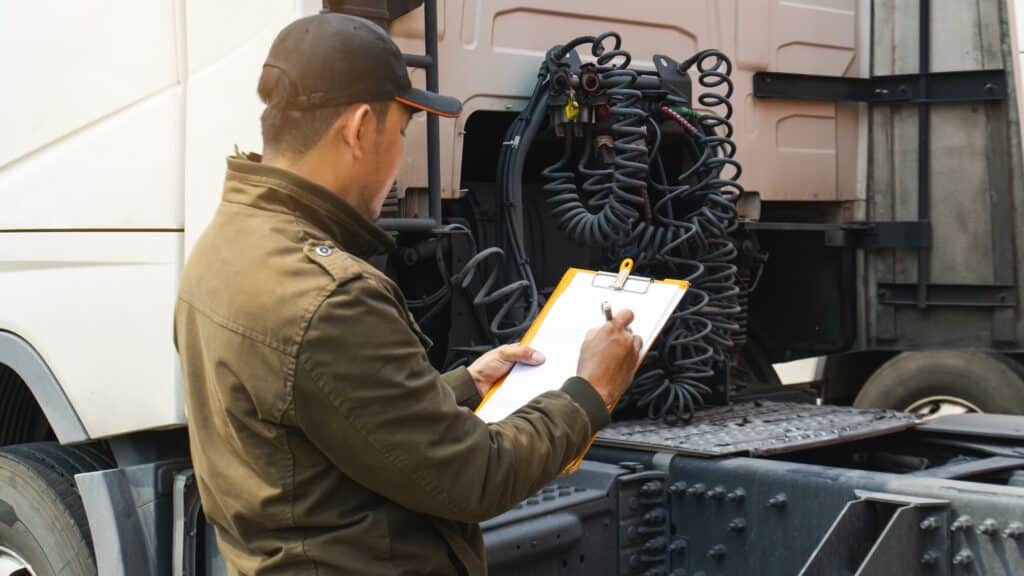
A successful DOT inspection in Spokane starts with a vehicle that is maintained consistently throughout the year. Annual inspections examine critical safety systems including:
-
- Brakes
- Steering and suspension
- Tires and wheels
- Lighting
- Coupling devices
- Fuel and exhaust systems
- Windshield, wipers, and glazing
- Frame and chassis components
These systems are evaluated because they directly affect the vehicle's safe operation. A worn suspension component or a damaged brake line that may seem minor in the shop can become a serious safety concern on the highway.
Roadside Inspections Can Happen at Any Time
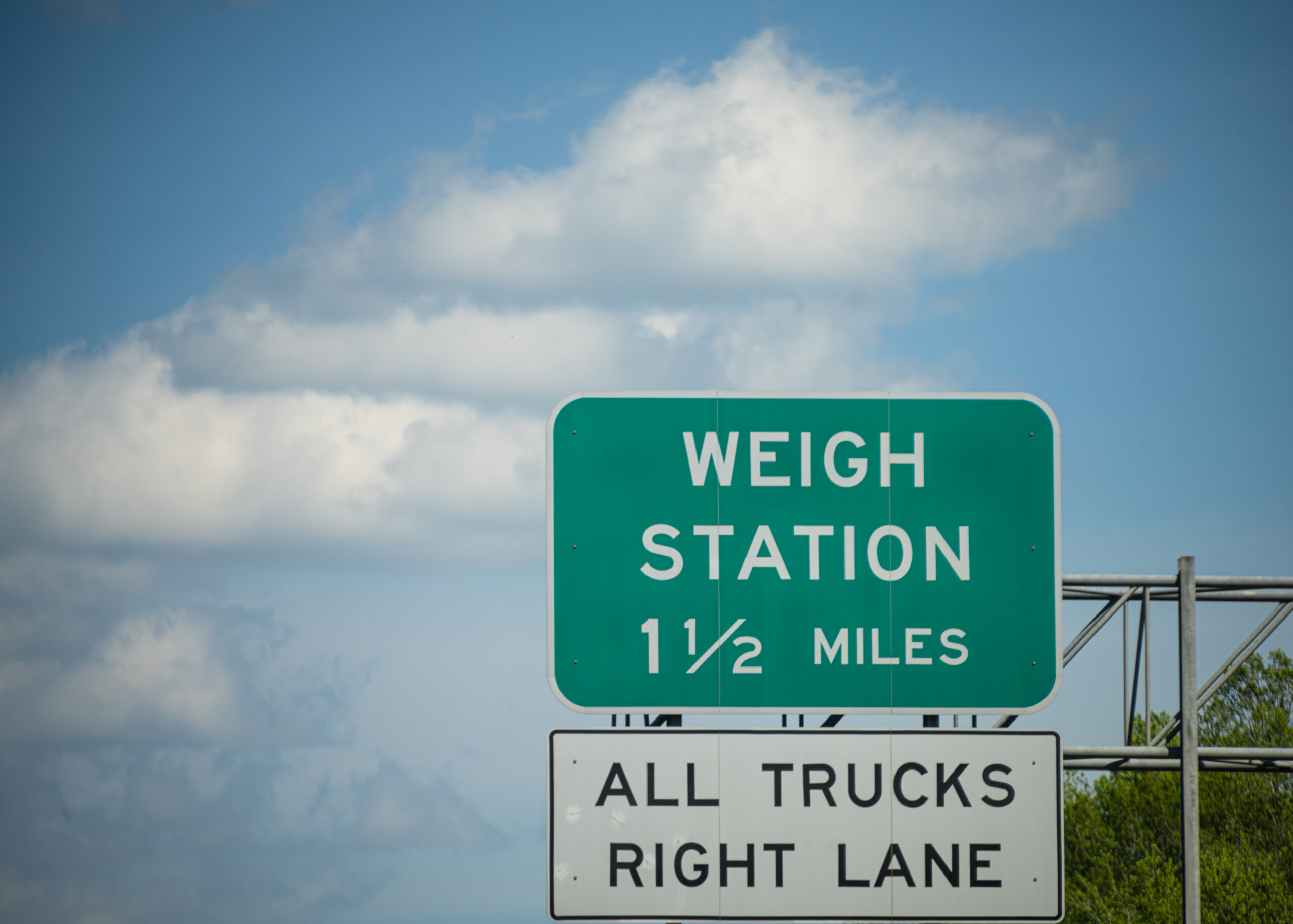
Washington State Patrol Commercial Vehicle Division conducts inspections at weigh stations and during mobile enforcement operations throughout the state. Spokane is home to one of Washington's electronic commercial vehicle screening locations, where technology helps identify potential safety concerns before vehicles even reach an inspection station.
For example, in 2023, Washington's screening system identified more than one million potential commercial vehicle violations, including registration issues, unsafe carriers, overweight vehicles, and tire-related concerns.
Fleet managers who prioritize regular fleet inspections in Spokane are far less likely to be caught off guard during roadside enforcement.
That means every day should be inspection day.
Preventive Maintenance Is Your Best Compliance Tool
One of the biggest misconceptions about DOT compliance is that inspections alone keep fleets compliant. The reality is that inspections simply verify the vehicle's condition on a given day. Preventive maintenance is what keeps vehicles inspection-ready year-round.
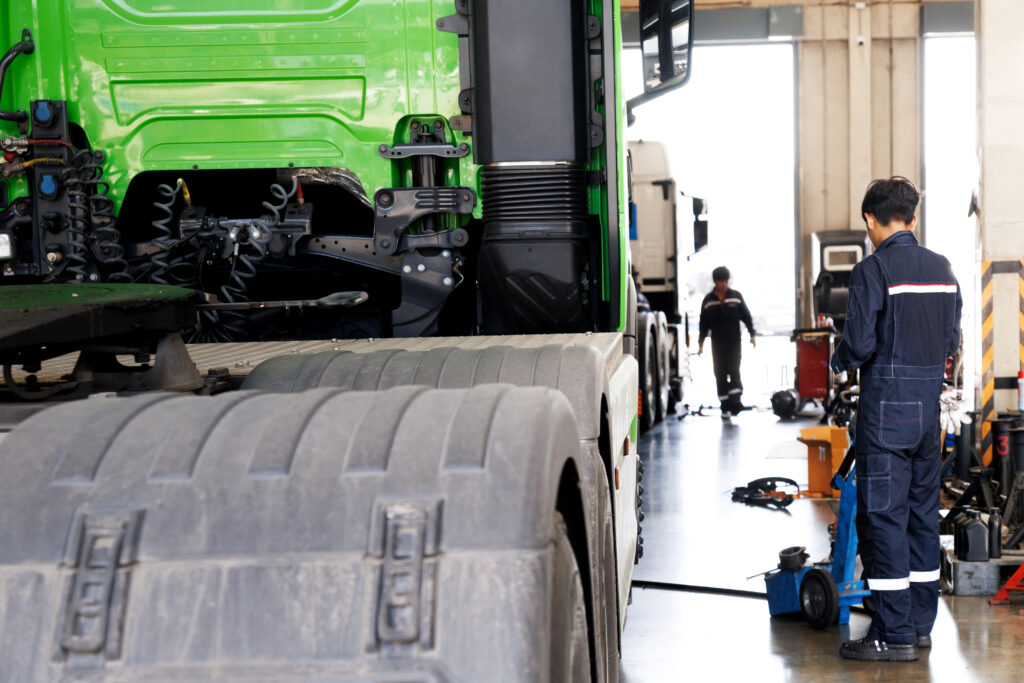
Routine service appointments help identify worn brakes before they fall below legal limits. Battery and charging system inspections reduce roadside failures. Steering, suspension, and tire inspections help catch issues before they become violations or safety hazards.
A proactive maintenance schedule also makes budgeting easier because repairs can be planned instead of handled as emergencies. This is something FleetEasy can help you with. Learn more about our ongoing fleet maintenance services.
Don’t Forget About Documentation
A well-maintained truck still needs accurate maintenance records. Inspection reports, repair documentation, and maintenance histories demonstrate that your fleet is being properly maintained. Good recordkeeping also helps identify recurring issues and supports better long-term maintenance planning.
Keeping organized records allows fleet managers to respond quickly during audits and inspections while reducing administrative headaches. Plus, it allows fleet managers and fleet service partners to have access to valuable data to create maintenance schedules, budgets and make informed decisions.
Choosing the Right Fleet Maintenance Partner
DOT compliance is easy with a professional fleet maintenance program that supports your business every day. A strong maintenance partner like FleetEasy helps identify issues early, schedules preventive service around your operations, and performs thorough DOT inspections in Spokane that prepare vehicles for the demands of the road.
At FleetEasy, we work with fleet managers to build maintenance schedules that reduce downtime while supporting long-term compliance. Our technicians understand commercial vehicles, local operating conditions, and the importance of keeping fleets moving safely.