
Written by the FleetEasy Team
Providing on-site fleet services throughout Washington State and the Pacific Northwest
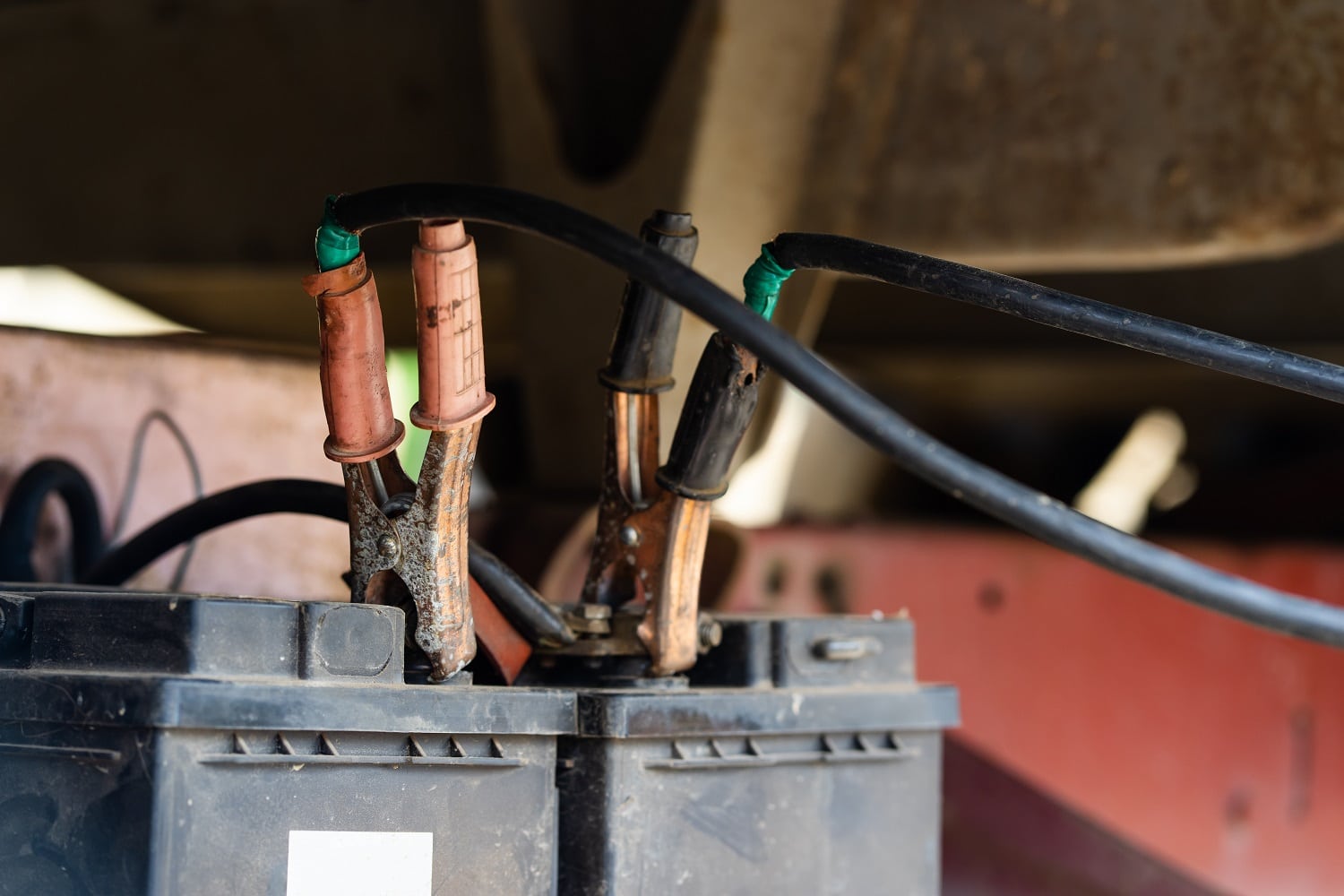
FleetEasy offers fleet services and breakdown solutions across Washington State and the Pacific Northwest. A lot of our business is assisting customers with on-site fleet repairs and maintenance. While we get jobs of all sizes and complexities, you’d be surprised how many times we’re called out to boost a heavy-duty vehicle’s battery.
That was the case during a recent on-site fleet services call completed by FleetEasy at a government bus yard in Washington State. In this article, we’ll share more about that incident and common charging system problems fleet managers should keep on their radar.
Blue Bird Battery Woes Call On-Site Fleet Services
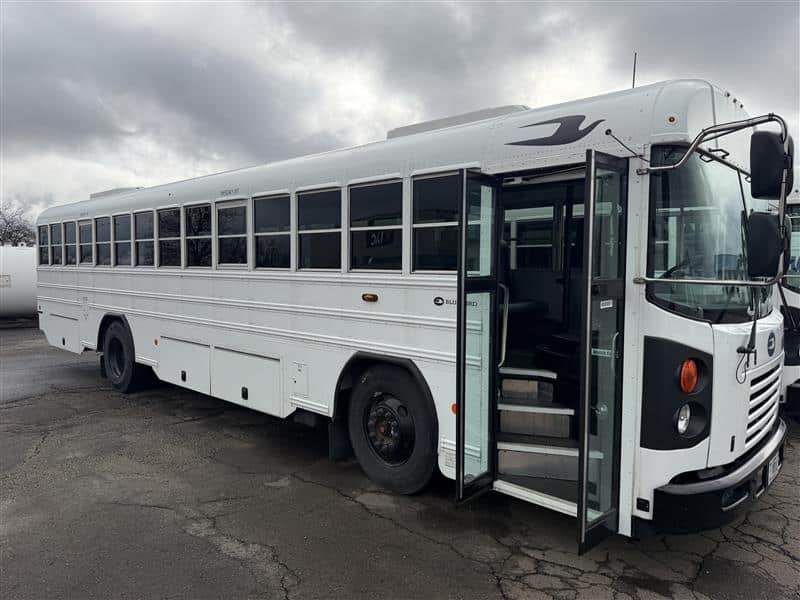 FleetEasy was dispatched to a secured yard at the Spokane International Airport to assist with a Blue Bird 225 T3FE bus that would not start. After confirming the issue was related to battery charge rather than a mechanical failure, the technician performed a controlled jump-start using fleet-grade equipment.
Once power was restored, the bus started normally and was put back into service. Calls like this are common in fleet environments, especially when vehicles operate on fixed schedules, sit idle between routes, or are parked for a while during seasonal temperature swings.
Understanding Charging Systems in Fleet Buses
Most heavy-duty buses, including transit and school buses, rely on robust charging systems designed to support high electrical loads, extended idle periods and repeated starting and stopping.
While battery voltage may appear normal during operation, charging system issues can still develop quietly over time. Common contributors include aging batteries, worn alternators, poor cable connections, or parasitic electrical draws when vehicles are parked.
Fleet vehicles that sit unused between shifts are especially vulnerable. A battery that does not receive a full recharge cycle can slowly lose capacity, even if the vehicle ran without issue the day before. When that happens, you might have to call for on-site fleet services in Spokane.
Common Charging System Problems
You might not manage a fleet of buses, but there are still common charging system problems that any fleet manager or owner should watch for. Often, there are early warning signs of charging system trouble. The most common issues include:
-
- Slow or hesitant engine cranking
- Repeated jump-starts on the same vehicle
- Battery replacements that fail prematurely
- Warning lights related to electrical or charging systems
- Vehicles that start fine after service but fail again after sitting
Regardless of the type of fleet you run, any downtime can cause missed service, costly delays and an inconvenience to your operation.
When a Jump Start Doesn’t Keep
A jump-start solves the immediate problem, but it should always prompt a follow-up assessment. Sometimes a vehicle will run for a while, but if it keeps losing juice, there’s a bigger problem causing it. It could mean your alternator is shot and not fully charging, or corroded cables are causing a voltage drop. Other culprits include a weak or sulphated battery or electrical systems drawing power when the vehicle is parked.
On-site fleet service allows technicians to flag these risks early and help fleet managers decide whether further diagnostics or on-site fleet repairs are needed.
The Value of On-Site Fleet Services for Heavy-Duty Vehicles
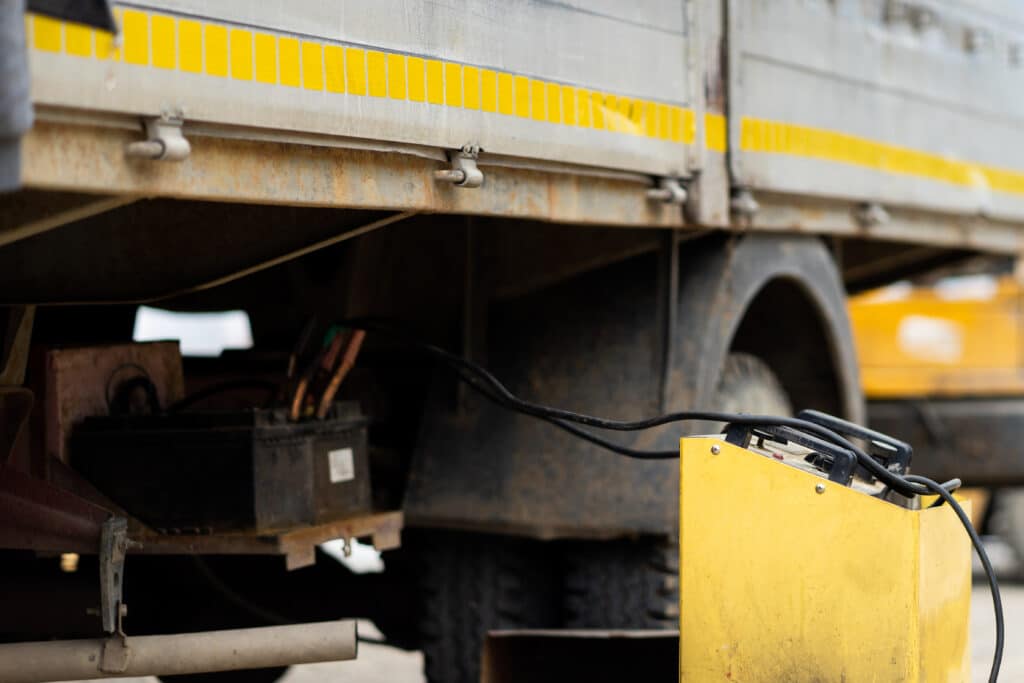
Large vehicles like buses are not easy to tow or relocate, and doing so can be time-consuming. On-site service minimizes downtime and keeps fleets moving without unnecessary disruption. For government and municipal fleets, this approach also ensures compliance, safety, and cost control.
Charging system issues may seem minor, but they are one of the most common causes of unexpected fleet downtime. We deal with them a lot! Fortunately, you can prevent some downtime with regular checks and responsive on-site service. FleetEasy is always ready to help, whenever and wherever you need us.