
Written by the FleetEasy Team
Offering fleet services and breakdown solutions throughout the Pacific Northwest
When you manage a commercial fleet, unexpected breakdowns can quickly disrupt your operations. A truck sitting in a repair shop means missed deliveries, delayed jobs, frustrated customers and additional expenses. While not every breakdown is preventable, a well-planned fleet maintenance schedule can help reduce unexpected repairs and keep vehicles working reliably.
FleetEasy supports commercial fleets throughout Washington with preventive maintenance, inspections, in-shop repairs and mobile fleet services. Here's how to build a practical maintenance schedule that supports your business and keeps your vehicles on the road.
1. Start With a Complete Fleet Inventory
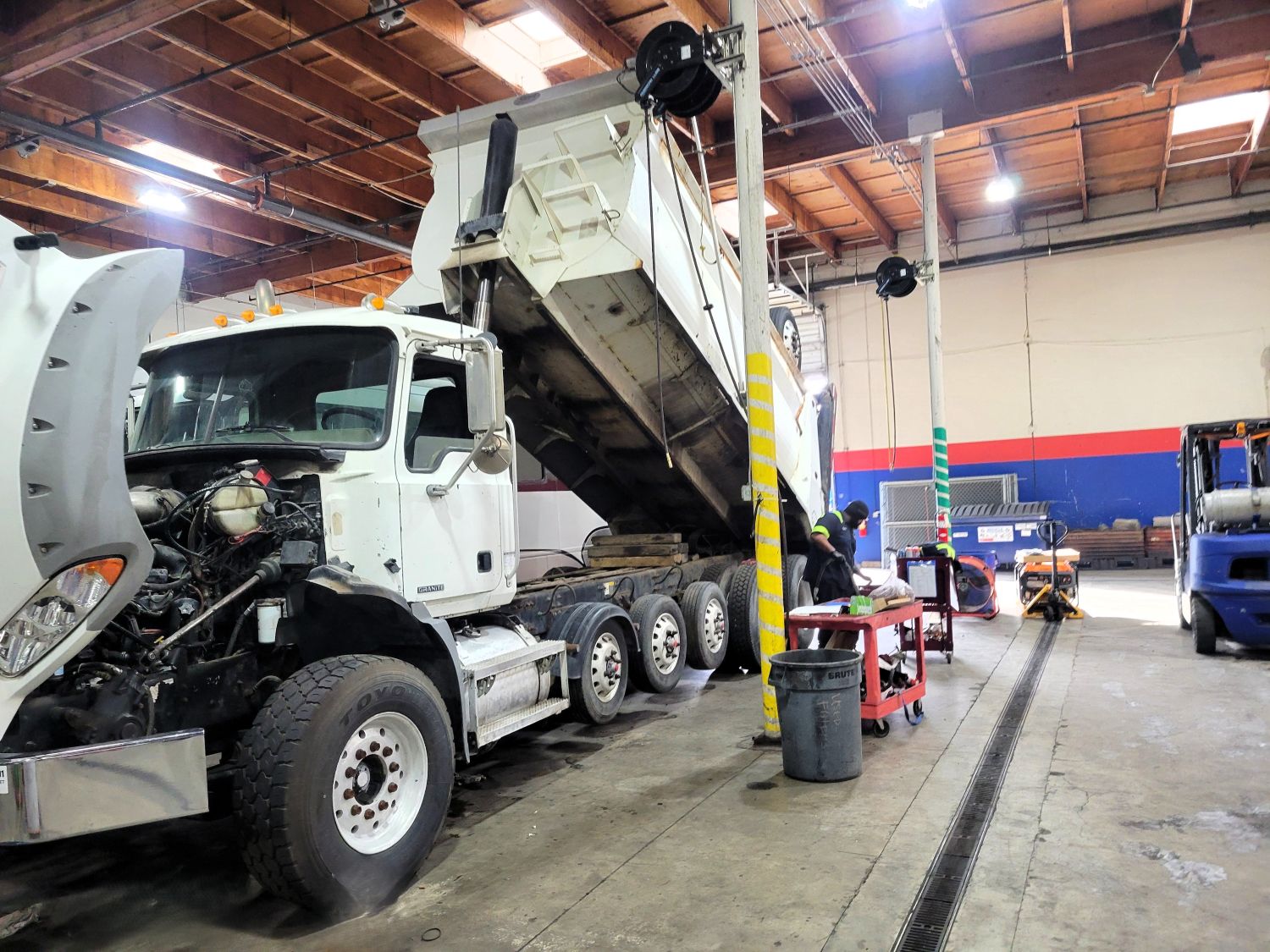
Create a record for every vehicle and piece of equipment in your fleet, including its make, model, year, VIN, mileage, engine hours and service history.
Also consider how each vehicle is used. A delivery truck making frequent stops throughout Spokane has different maintenance demands than a long-haul tractor travelling Interstate 90 or a construction vehicle operating on rough job sites.
Group vehicles by type, duty cycle and operating conditions. This makes it easier to figure out appropriate service intervals rather than applying the same schedule to every vehicle.
2. Establish Preventive Maintenance Intervals
A reliable fleet maintenance schedule starts with the manufacturer's recommendations, adjusted for the vehicle's age, operating conditions and service history.
Depending on the vehicle, preventive maintenance may include:
-
- Engine oil and filters: Replace according to manufacturer specifications and operating conditions.
- Brakes: Inspect pads, linings, drums, rotors, air systems and related components for wear or defects.
- Tires: Monitor pressure, tread depth, uneven wear and visible damage.
- Fluids: Check coolant, transmission, differential and hydraulic systems.
- Steering and suspension: Inspect components for wear, looseness and damage.
- Electrical systems: Test batteries, charging systems, lights and wiring.
- Trailers and equipment: Inspect wheel ends, brakes, tires, couplings and other safety-critical components.
Schedule maintenance by mileage, engine hours, or time, depending on the component and manufacturer requirements. FleetEasy's fleet maintenance and repair services can help businesses coordinate inspections, preventive maintenance and repairs based on their vehicles' operating needs.
3. Include Regular Vehicle Inspections
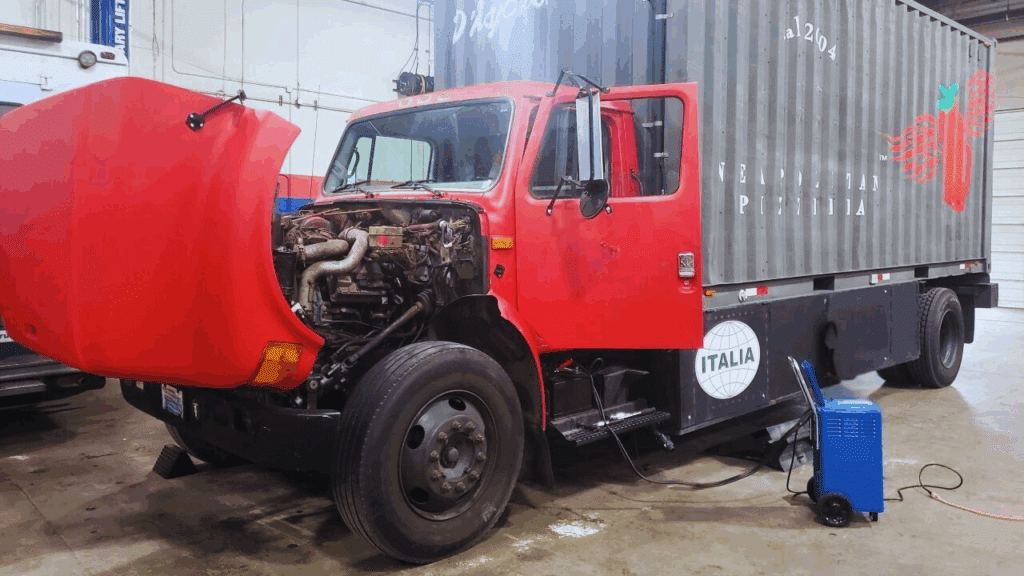
Daily driver inspections, pre- and post-trip, and periodic professional inspections help identify developing problems between service appointments.
Drivers should report concerns such as unusual noises, warning lights, fluid leaks, changes in braking performance and tire damage. They should do a full walk-around to catch any visible issues, and anything found should be dealt with right away.
DOT Inspections with FleetEasy
For commercial vehicles subject to federal motor carrier safety regulations, inspection and maintenance requirements must also be considered. Under 49 CFR 396, motor carriers must systematically inspect, repair and maintain vehicles under their control.
The Federal Motor Carrier Safety Administration provides information about applicable inspection, repair and maintenance requirements. If you need help working through it, our team at FleetEasy is happy to help. We offer DOT/FMCSA inspections on-site or in our fleet service shops in Auburn and Spokane, Washington.
4. Schedule Maintenance Around Fleet Operations
One of the biggest challenges in fleet management is finding time for maintenance without interrupting daily operations. Rather than waiting until a vehicle breaks down, build maintenance appointments into your operating schedule.
Consider coordinating service during slower business periods, rotating vehicles through the shop and scheduling inspections before busy seasons. For some fleets, on-site maintenance can reduce the time spent transporting vehicles to and from a repair facility. Other repairs require the equipment, diagnostic tools and working conditions available in a professional shop.
FleetEasy offers both in-shop and on-site fleet services, giving businesses flexibility when planning maintenance and repairs.
5. Track Maintenance Records and Repair Trends
For each vehicle, track completed services, inspection findings, repairs, parts replaced, mileage or engine hours, and upcoming maintenance dates. Collecting and analyzing this important data plays a huge role in creating preventative maintenance budgets, forecasting future repairs and setting benchmarks for your entire fleet maintenance program.
Fleet maintenance software can help you collect, track, and use data to streamline maintenance schedules and boost vehicle performance. Several quality programs are on the market, and you can read comparisons here: Best Fleet Maintenance Software for 2026.
Tracking maintenance costs also helps fleet managers identify vehicles that are becoming increasingly expensive to operate and need replacement. In addition, accurate records support regulatory compliance and help fleet managers make informed decisions.
6. Build a Plan for Unexpected Breakdowns
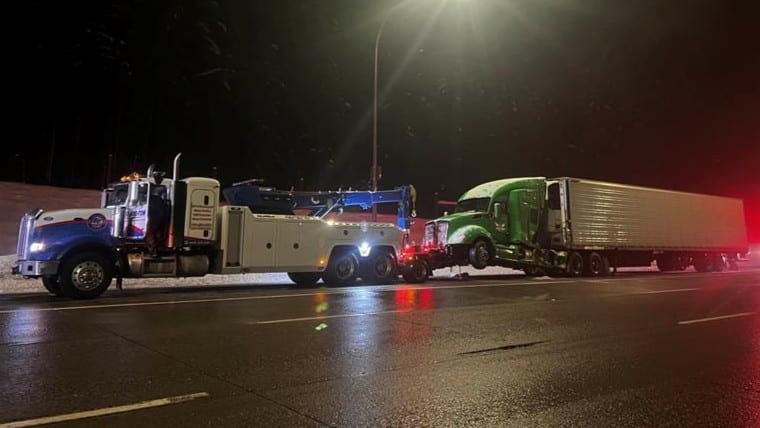
Even a well-maintained fleet can experience unexpected mechanical failures, accidents or roadside emergencies. Your fleet maintenance plan should have a “plan B” for when a vehicle cannot continue operating.
For example, that plan can ensure drivers know who to contact, what information to provide, and how to report their location and the vehicle's condition. Depending on the problem, a mobile technician may be able to complete repairs on-site. More serious mechanical failures may require towing to a repair facility. Regardless of the situation, having a response plan helps reduce stress, confusion and delays when a breakdown happens.
Through the FleetEasy Company of Family, businesses can access coordinated fleet repair, roadside assistance and heavy-duty towing and recovery services.
7. Review and Adjust Your Fleet Maintenance Schedule
Fleet maintenance needs change as vehicles age, accumulate mileage and take on different workloads. Review your maintenance schedule regularly and adjust it based on inspection findings, repair histories, operating conditions and manufacturer guidance.
Watch for recurring breakdowns, unexpected repair costs, and vehicles that frequently miss scheduled service. A useful maintenance schedule should evolve with your fleet, helping you prioritize repairs, anticipate service needs and make better operating decisions.
Keep Your Fleet Moving With FleetEasy
FleetEasy provides fleet maintenance and repair services in Auburn, Spokane and surrounding Washington communities. Our experienced technicians work with a wide range of commercial vehicles, offering preventive maintenance, inspections, in-shop repairs and on-site services.
And when unexpected problems arise, the FleetEasy Company of Family provides additional support through Motorplex's repair capabilities and Pro-Tow's towing and recovery services.
Ready to take a more proactive approach to fleet maintenance?